
Introduction
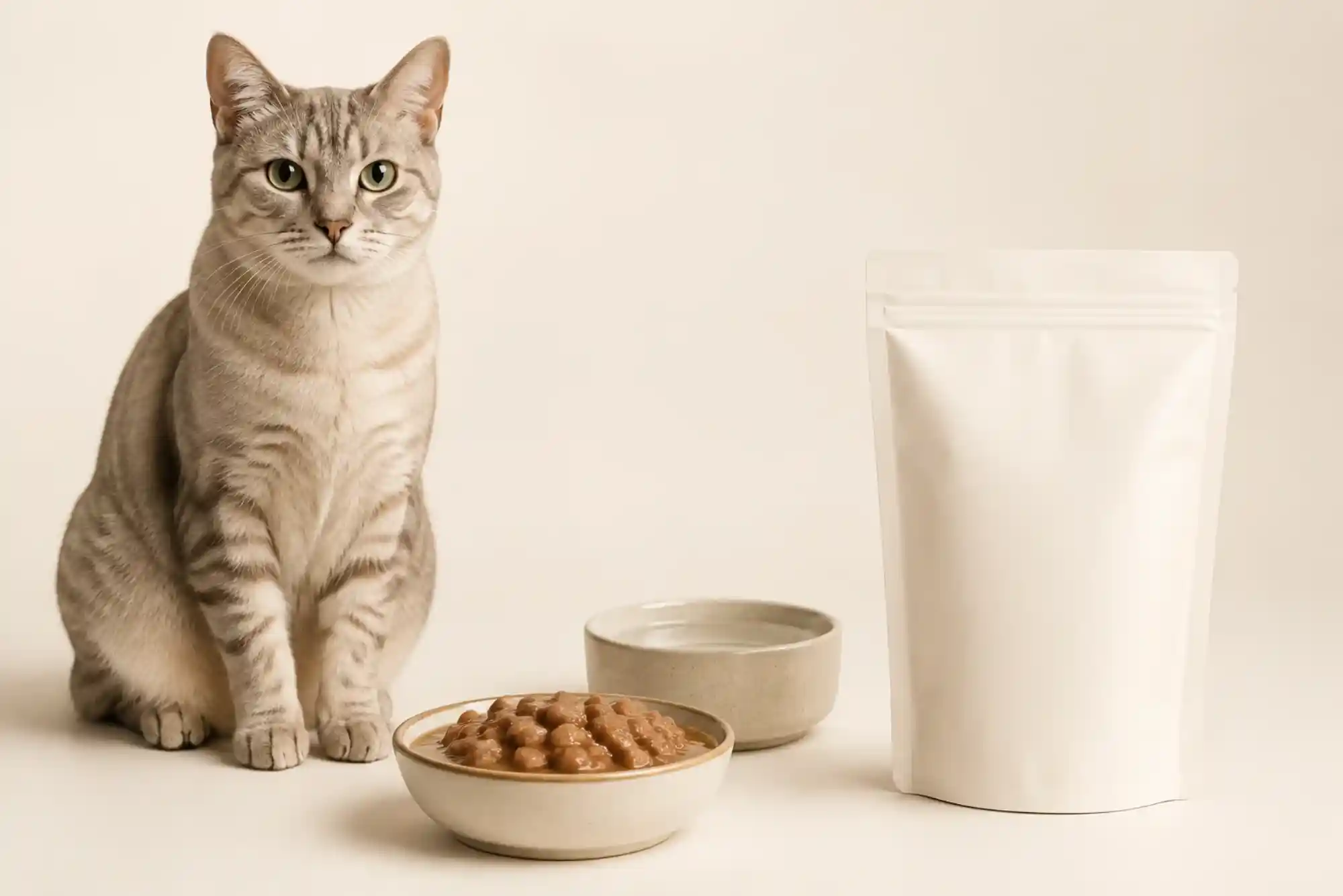
Transitioning your feline companion from a lifetime of dry kibble to a nourishing wet food diet is one of the best health decisions you can make. Many cats struggle with digestion when their diet changes too quickly because their sensitive gastrointestinal tracts need time to adjust. Understanding how to switch cat food from dry kibble to wet food without upset stomach protects your pet from painful cramps, vomiting, and diarrhea. This comprehensive guide provides expert strategies, gradual timelines, and practical tips to ensure your cat embraces wet food with enthusiasm and comfort.
Why Switch From Dry Kibble to Wet Food
Dry kibble lacks the high moisture content that cats naturally require for optimal kidney and urinary tract health. In the wild, cats get most of their hydration from their prey, meaning domestic cats often live in a state of chronic mild dehydration when fed exclusively dry food. Wet food typically contains around seventy to eighty percent moisture, whereas dry kibble contains only about ten percent. Increasing your cat’s water intake through canned food dramatically reduces the risk of kidney stones, urinary blockages, and lower urinary tract diseases. Furthermore, wet food is significantly higher in animal protein and lower in unnecessary carbohydrates, helping your cat maintain a lean muscle mass and a healthy weight. Many overweight cats lose excess pounds simply by transitioning from high calorie carbohydrate rich kibble to protein dense wet food. The rich aroma and texture of wet food also appeal heavily to a cat’s natural predatory instincts, making mealtime an exciting experience. Older cats or cats with missing teeth find soft wet food much easier to chew and digest than hard crunchy kibble. Making this dietary upgrade transforms your cat’s energy levels, coat quality, and overall longevity.
Understanding Your Cat’s Sensitive Digestive System
Cats are obligate carnivores with specialized digestive systems designed to process meat efficiently and quickly. Their short digestive tracts mean that sudden dietary shifts can easily disrupt the delicate balance of gut flora and beneficial bacteria. When you introduce a completely new food matrix like wet food too fast, the resident stomach microbes cannot adapt rapidly enough. This microbial imbalance leads directly to inflammation, gas, loose stools, and general gastrointestinal distress. Dry kibble is heavily processed, dense, and starchy, while wet food is rich in animal fats, moisture, and fresh proteins. Your cat’s stomach acid production and digestive enzyme secretion must recalibrate to handle this new biological composition. Recognizing that your cat’s tummy is delicate prevents you from rushing the transition process out of impatience or frustration. Patience is the ultimate key to success when figuring out how to switch cat food from dry kibble to wet food without upset stomach. Respecting your cat’s biological timeline ensures a stress free experience for both you and your furry friend.
The Slow Transition Method for Success
The golden rule of feline diet changes is the gradual seven to ten day transition timeline. Never swap your cat’s food overnight unless explicitly instructed to do so by your licensed veterinarian for medical reasons. Begin by mixing a tiny fraction of the new wet food into their usual dry kibble portion. For the first two to three days, use roughly twenty five percent wet food and seventy five percent dry kibble. Ensure you mix them thoroughly so your cat cannot easily pick around the new texture and reject it entirely. If your cat tolerates this initial mix well without any digestive upset, increase the proportion to fifty percent. Maintain this balanced fifty fifty ratio for another two to three days to let their gut microbiome stabilize further. Next, increase the wet food ratio to seventy five percent while reducing the dry kibble down to twenty five percent. By day seven to ten, you can finally offer one hundred percent wet food with confidence and peace of mind. If at any point your cat develops soft stools or vomiting, simply step back to the previous ratio for a few extra days.
Dealing With Picky Eaters and Texture Aversions
Cats are famously neophobic creatures who often reject unfamiliar foods simply because they do not recognize them as edible items. Dry kibble is crunchy, dry, and smells distinctly, whereas wet food is soft, moist, and pungent. If your cat turns their nose up at the new wet food, do not panic or resort to starving them into submission. Cats can develop dangerous hepatic lipidosis or fatty liver disease if they refuse to eat for more than forty eight hours. Instead, use gentle enticements to make the wet food irresistible to their sensitive feline senses. Try warming the wet food slightly in the microwave for a few seconds to release enticing aromas that mimic fresh prey. You can also sprinkle a tiny pinch of nutritional yeast or crushed freeze dried treats on top as a temporary topper. Some cats prefer a smooth pâté style, while others go wild for chunky stews in gravy textures. Experimenting with different protein sources like chicken, turkey, or rabbit helps you discover your cat’s distinct culinary preferences. Consistency and gentle persistence always win over stubborn feline reluctance during meal transitions.
Managing Minor Tummy Upsets Along the Way
Even with the most careful planning and gradual mixing, some sensitive cats might experience minor digestive hiccups during the switch. Mild gas, slightly softer stools, or occasional burping can happen as the gut adjusts to higher protein levels. Monitor your cat’s litter box habits closely every single day to catch any digestive irregularities right away. If you notice persistent diarrhea, lethargy, or repeated vomiting, pause the transition immediately and consult your veterinarian. Adding a veterinary approved probiotic supplement to their meals can significantly ease gut inflammation and speed up microbial adaptation. Ensure your cat always has access to fresh, clean drinking water in multiple bowls throughout your home. Avoid giving your cat any human table scraps or extra treats during the transition window to keep variables strictly controlled. Keeping the environment calm and stress free also supports healthy digestion and encourages your cat to eat normally. Trust your instincts as a pet parent and slow down the process whenever your cat shows signs of discomfort.

Frequently Asked Questions
How long does it take to switch a cat from dry to wet food
The ideal transition period takes between seven and ten days for most healthy adult cats. Some exceptionally stubborn cats or cats with chronic tummy issues may require a slower timeline lasting up to three weeks.
Can I mix dry kibble and wet food together in the same bowl
Yes, mixing dry and wet food together is a fantastic way to introduce new textures and flavors gradually. Just ensure you do not leave wet food sitting out at room temperature for more than an hour to prevent bacterial growth.
What should I do if my cat refuses to eat wet food at all
If your cat refuses wet food, try warming it slightly, mixing in a favorite topper, or trying a different brand and protein source. Never let your cat starve themselves, and consult your veterinarian if a hunger strike lasts past twenty four hours.
Is wet food better for older cats with dental issues
Wet food is exceptionally beneficial for senior cats or cats missing teeth because it requires virtually no chewing and provides essential hydration. It also reduces pain during eating for cats suffering from gum disease or feline stomatitis.
Will switching to wet food cause my cat to get diarrhea
Sudden diet changes frequently cause diarrhea due to gut flora disruption. Following a slow, gradual transition timeline prevents this issue and keeps your cat’s digestion stable and comfortable.
Conclusion
Switching your cat from dry kibble to wet food requires patience, observation, and a commitment to a gradual transition schedule. By understanding your cat’s delicate carnivorous digestive system and following a proven seven to ten day mixing method, you ensure a happy tummy. The long term rewards of improved hydration, healthier kidneys, and vibrant energy make every moment of the transition worthwhile. Start your cat’s journey toward better nutrition today by purchasing a high quality wet food and taking that first small step. Share your own cat transition stories in the comments below or reach out with any questions about feline nutrition.

